

Transportation & Mobility
How cities are testing bus priority lanes, protected bike routes, car-free streets, and the idea of a neighborhood where most errands are reachable on foot.
Read the basicsAn independent, educational resource
Rasade explains how cities are rethinking transportation, green space, and housing density, translated out of planning jargon and into language anyone can follow. No credentials required to start reading.
Most of the streets, parks, and housing rules that shape daily life were drawn up decades ago, often for a city that looked very different than it does now. Rising costs, changing commutes, hotter summers and aging infrastructure have pushed planning departments to reconsider old assumptions. The conversations happening in city hall meetings and neighborhood workshops can feel technical from the outside. Rasade exists to open a window into that process, without asking you to already know the vocabulary.
We are not a design firm and we do not lobby for particular policies. We read plans, attend the occasional open meeting, and try to explain what we find in a way that respects your time and your intelligence.
Urban planning touches almost everything, but a handful of themes explain most of what is changing right now.
How cities are testing bus priority lanes, protected bike routes, car-free streets, and the idea of a neighborhood where most errands are reachable on foot.
Read the basics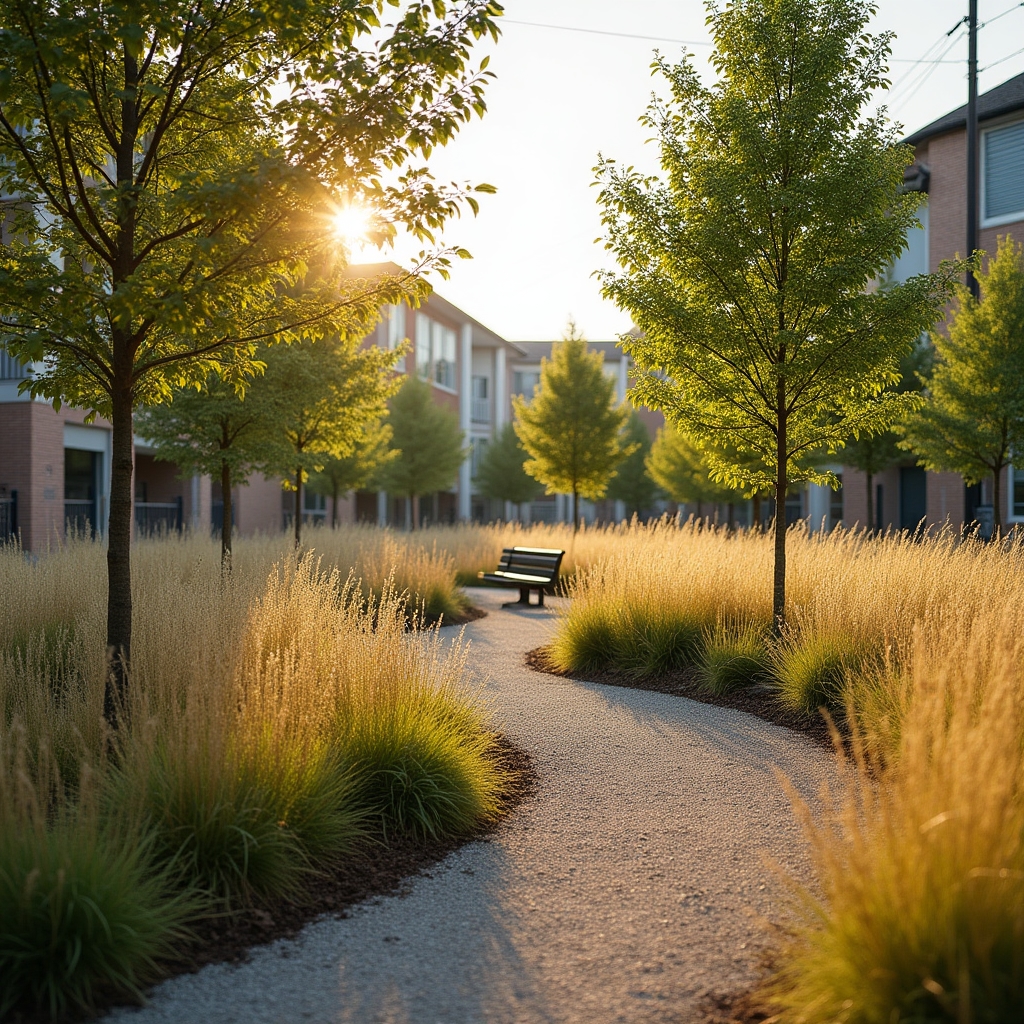
Pocket parks on former parking lots, stormwater gardens that double as flood control, and the slow work of growing an urban tree canopy back.
Read the basics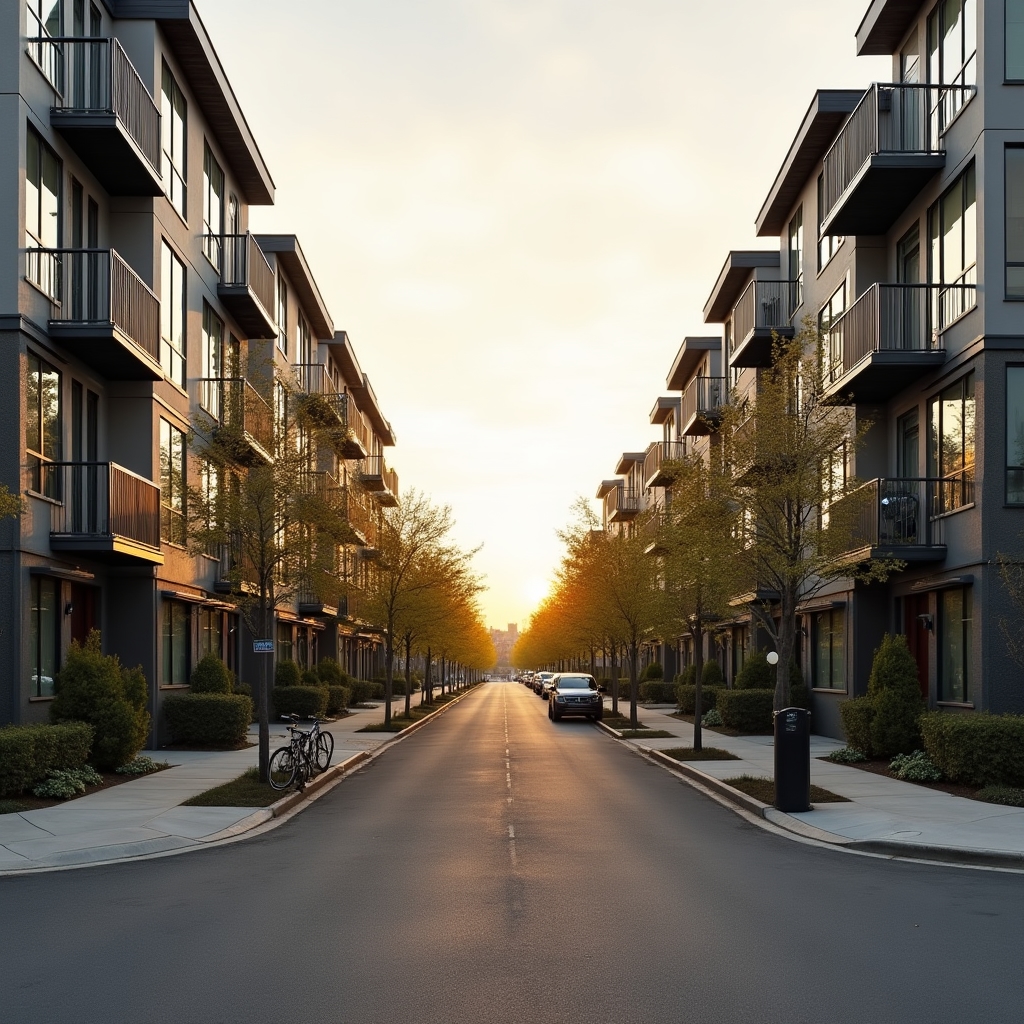
What "missing middle" housing means, why zoning maps matter more than they look, and how a duplex differs from a mid-rise in practice.
Read the basics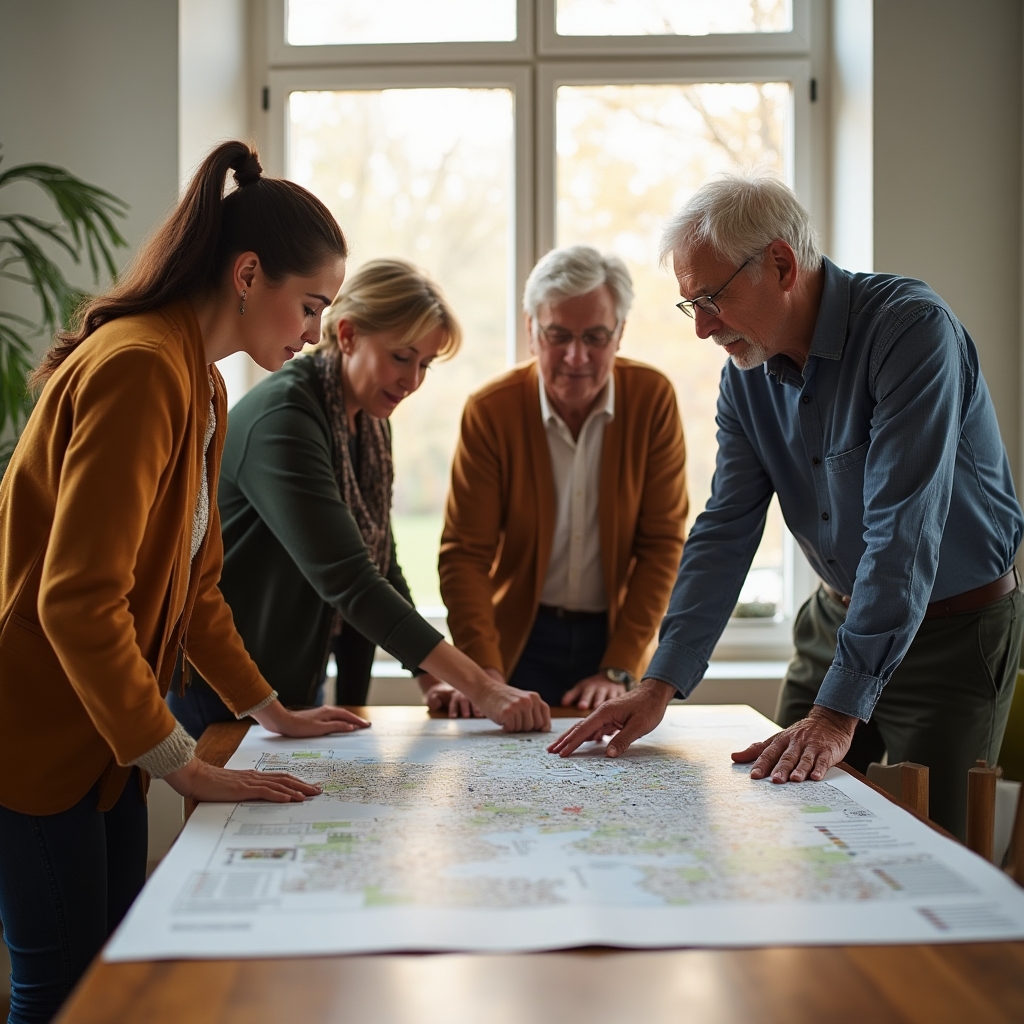
How public meetings work, what participatory budgeting actually involves, and where residents can realistically influence a proposal.
Read the basicsRedesigns tend to move through recognizable stages, even when the specific project is a bike lane, a park, or a rezoning. Scroll to see how a typical proposal travels from idea to permanent fixture.
A planning department or advocacy group identifies a problem, gathers data, and sketches a few possible responses.
Paint, planters, and temporary signage let a city test a change cheaply before committing to concrete and steel.
Surveys, open houses, and public comment periods surface concerns that a spreadsheet alone would miss.
If the pilot holds up, the temporary materials are replaced with permanent infrastructure, and the cycle starts again elsewhere.
Before naming a policy, we describe what it feels like to walk, ride, or drive through it.
Every design choice answers a question. We try to surface what that question was.
Almost no urban design choice benefits everyone equally. We say so plainly.
Where a topic runs deeper than we can cover, we link to the primary plans and studies.
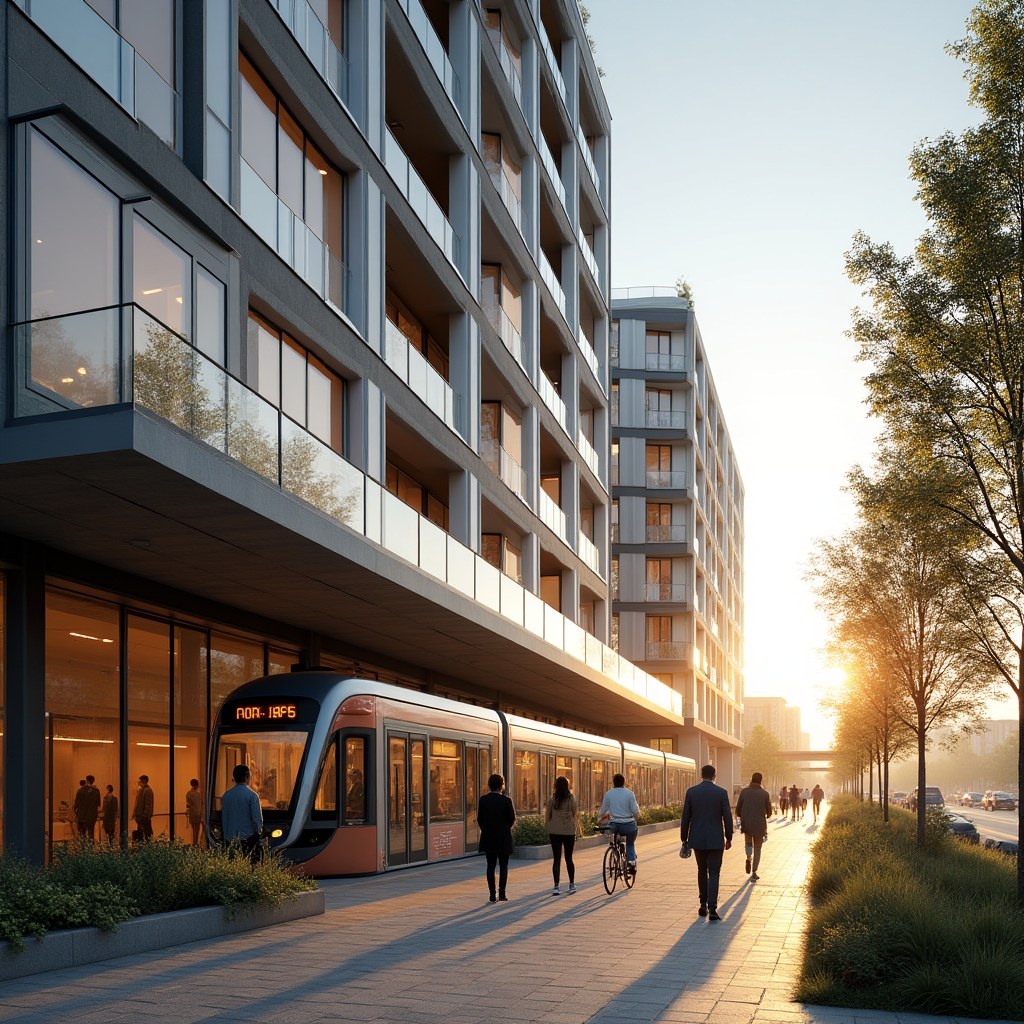
Why some new buildings cluster tightly around train and bus stops, and what that has to do with your commute.
Those color-coded zoning maps look intimidating. Here is what the colors are actually telling you.
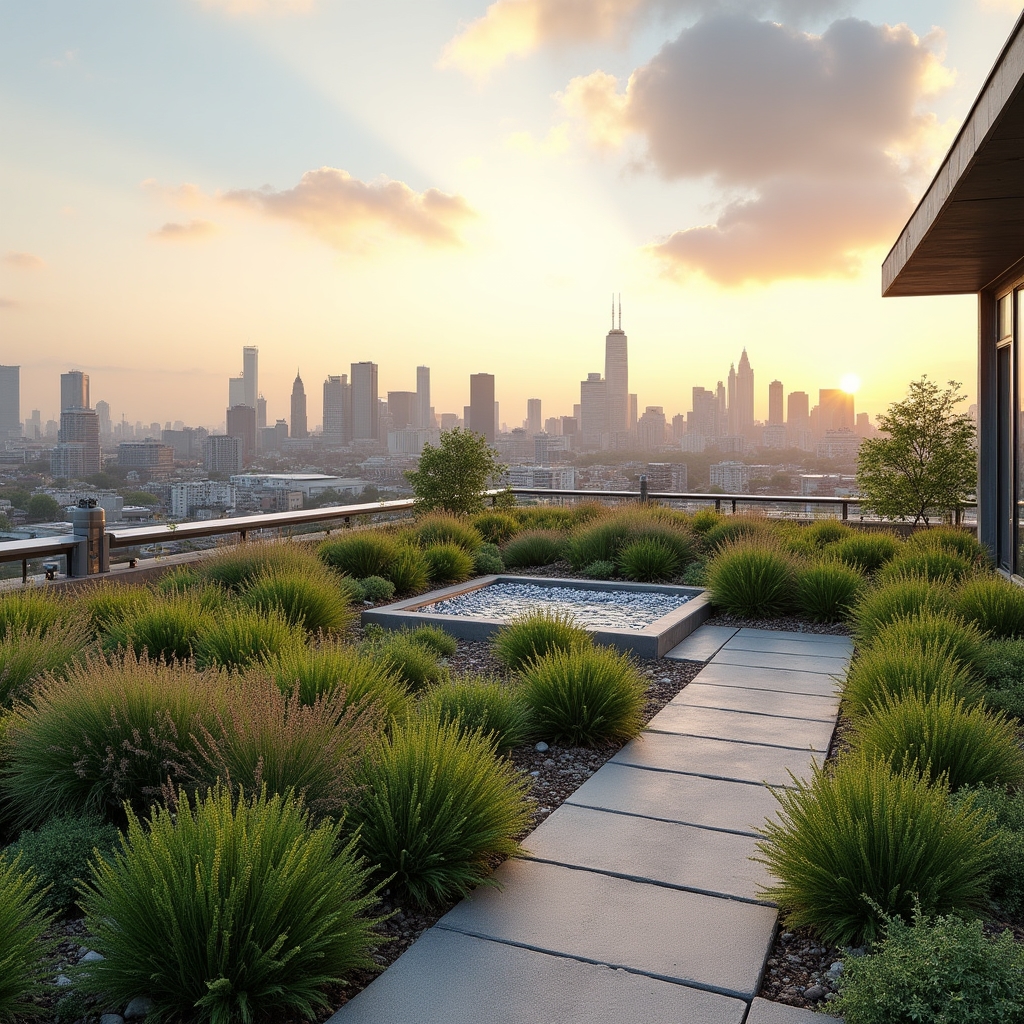
Green roofs and rain gardens are increasingly treated as infrastructure, not decoration.
A painted line and a physical barrier change a cyclist's experience more than the terminology suggests.
We read plans and glossaries for a living, more or less. If something you have seen proposed nearby is confusing, send us a note and we will try to help translate it.
Get in touch