
Method & perspective
Our approach to explaining a complicated subject
Urban planning has its own vocabulary, its own committees, and its own long documents. Here is how we try to make sense of it before we write anything down.
We start with curiosity, not credentials
Nobody on our small editorial team holds a planning license, and we think that is part of the point. We come from journalism, geography, and public administration backgrounds, and we approach each topic the way a newly arrived resident might: by asking what changed on this street, and why.
That does not mean we skip the technical detail. It means we translate it. When a city document refers to a "road diet" or an "overlay district," we look up what those terms mean in practice, then describe the practice before we ever use the term.
How a typical explanation gets built
Observe a real example
We look at an actual project, plan, or proposal rather than a hypothetical one, so the explanation stays grounded.
Translate the terms
Jargon gets rewritten in plain language first, with the formal term introduced afterward so you can recognize it later.
Show multiple perspectives
A bus lane looks different to a driver, a rider, and a shop owner. We try to hold more than one viewpoint at once.
Invite questions
Every page links to a way of reaching us, because the explanation is rarely finished after one read.

Public workshops, published plans, and open meetings
Much of what we write is based on materials that are already public: draft master plans, transportation studies, and the recordings or minutes of community workshops. When a city hosts an open house for a proposed redesign, the boards on display are often more informative than the press release that follows.
We do not attend these sessions to advocate for an outcome. We attend, or read the record afterward, to understand what was actually proposed and what concerns were raised in the room.
Readers who want context, not a credential
Residents
People who noticed a change on their block and want to understand the reasoning before the next public meeting.
Students
Learners approaching geography, policy, or design courses who want an accessible entry point before the textbook.
Journalists
Writers covering a local proposal who need a quick, reliable primer on unfamiliar planning terminology.
Local officials
Council members and staff outside the planning department who want a shared vocabulary with residents.
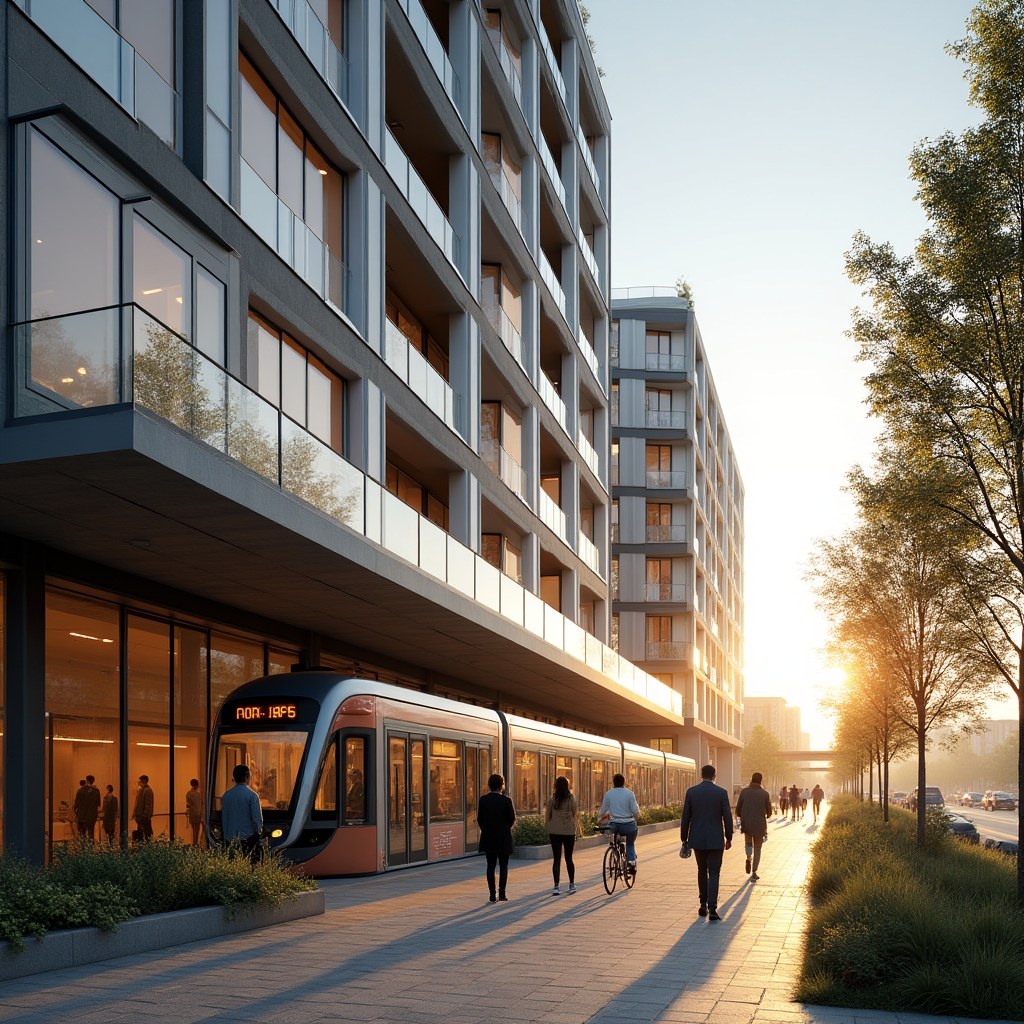
Transportation and housing rarely move independently
A recurring theme in our explanations is how these subjects overlap. A rezoning that allows taller buildings near a train station is really a transportation decision wearing a housing hat. A wider sidewalk outside a school is a public space decision with a mobility outcome.
We try to note these connections as they come up rather than treating transportation, green space, and housing as three separate silos, because the plans themselves rarely treat them that way either.
Still not sure where to start?
The glossary is built for skimming, and the contact page is built for actual questions. Either one is a reasonable next step.